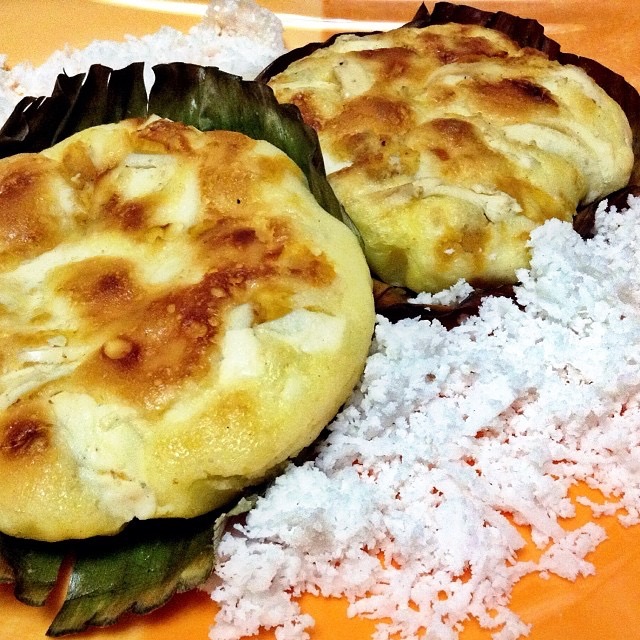
Puto bumbong is a sticky chewy purple snack based on glutinous rice and a special violet variety of rice. It is cooked in narrow bamboo tubes set on the fire vertically. Putobumbong is eaten with sugar, butter and grated coconut. It is one of the goodies associated with Christmas.
Morcon is a meat dish consisting of a large, thin, tender slice of beef rolled tightly around an arranged filling of ham, olives, Vienna sausages and pickles.
Many Filipinos are Christians who abstain from eating meat during Lent, especially during Holy Week. They turn to fish and vegetable dishes, and the more devout Catholics go on a completely liquid diet or fast.
Lunar New Year 2026 starts on Tuesday, February 17
Any special foods eaten in the Philippines during the great Chinese holiday? Of course there are many! Settlers from China have been living on the Philippine islands for centuries even before the Spaniards arrived and there wouldn’t be modern Filipino culture without the Chinese influence, particularly on the food.
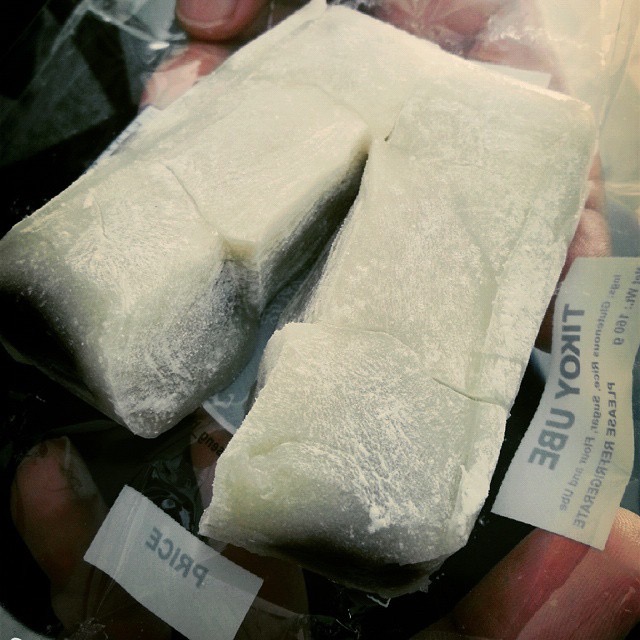
TIKOY
Tikoy is the most popular treat during Lunar New Year festivities in the Philippines, as iconic as the Chinese New Year’s cake nian gao is in other countries. In fact, tikoy is said to be based on the nian gao of southern China from where Fukienese immigrants to the Philippines came.
Slices of Ube Tikoy
It is made from sticky or glutinous rice which is ground into flour and then mixed with lard, water and sugar. Using white sugar produces white tikoy and using brown sugar produces brown tikoy. Other popular flavors include green pandan and purple ube.
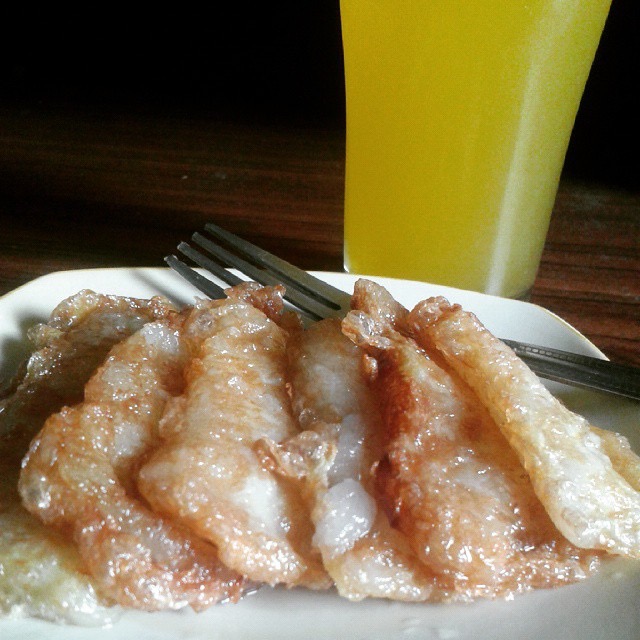
Even non-Chinese Filipinos buy tikoy in boxes during this time of year to give to business associates. Store-bought tikoy is chilled in the refrigerator to make it easy to slice into small pieces. The tikoy slices are dipped in a bowl of beaten eggs and then fried in oil.
Tikoy Slices, Cooked
Tikoy is sweet and sticky enough to keep the Kitchen God’s mouth shut. Offering tikoy keeps him from saying anything bad about you!
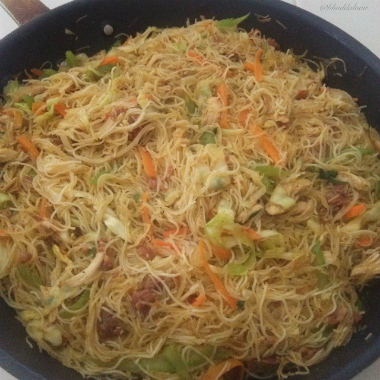
PANSIT
Uncut noodles are served for long life. The two favorite noodle dishes during the Chinese New Year in the Philippines are pancit bihon and pancit canton.
A WHOLE FISH
To invite wealth and happiness in the upcoming year, dishes are served that are homophones for words that signify good fortune. For example, the Chinese word for “fish” sounds like the word “surplus” as in a surplus of weath.
Whole Fish for Chinese New Year
POMELOS, ORANGES, PINEAPPLES
The most popular fruit during Chinese New Year is mandarin oranges or tangerines because of their round shapes and golden color. Because oranges were not widely grown in the Philippines and were only imported in recent decades, suha (the local pomelo, sort of like a large grapefruit with a very thick rind) has became the Philippine fruit that one gives away or serves to visitors during the Chinese New Year season. As for the pineapple, it resembles the word for “prosperity” in Hokkien, the Chinese language of most Tsinoys.
BOILED DUMPLINGS
Dumplings are served because luck is symbolically wrapped inside. And the shape of certain dumplings is reminiscent of the shape of gold ingots in ancient China.