Copra is the dried meat, or dried kernel, of the coconut used to extract coconut oil.
The Philippines has long been a major copra-producing country.
Learn Tagalog online!
Copra is the dried meat, or dried kernel, of the coconut used to extract coconut oil.
The Philippines has long been a major copra-producing country.
root word: kudkód
kudkuran
grater
kudkuran ng niyog
coconut grater
This is a native traditional implement used for scraping the tough coconut flesh off its shell. The blade is attached to the end of a wooden bench on which the person doing the grating sits.

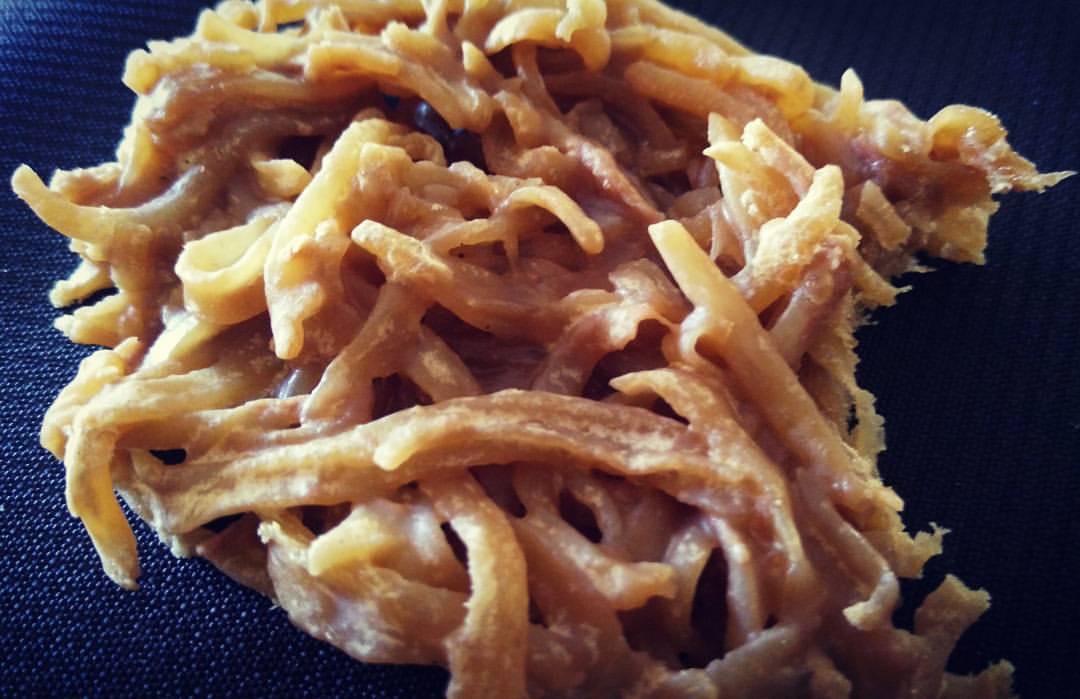
Bukayo (spelling variations: bocayo, bucayo, bucaio, bokayo) is dried-coconut candy.
Its color is light to dark brown and its chewiness can range from soft to hard enough to give your jaws a tough workout.
root word: anak (child, in the sense of ‘offspring’)
i·ná·a·nák
inaanak
godchild
inaanak
godson /
goddaughter
This is from the Spanish mano (meaning: hand).
The unique Filipino tradition of pagmamano involves kissing an elder’s hand or raising the hand to touch your forehead. Children do this especially during the holidays when visiting their grandparents to ask for gifts.
Fine Hair Comb Used by Filipinos To Get Rid of Lice
The word suyod is likely Chinese in origin.
Usóg is a Filipino superstition that attributes an illness to the greeting of a stranger. It is believed that young children are susceptible to usóg.
Ang pasalubong ay isang alaala o “souvenir” na ibinigay ng bagong dating na galing sa paglalakbay sa ibang pook o bansa.
root word: salubong (to welcome)
When Filipinos go on a trip or live overseas, they are expected to bring back gifts on their return. That’s pasalubong!
It’s a big deal. If you don’t bring pasalubong to people who welcome you, they’ll think you never thought of them while you were away.